HUB // ANIMALS
Planet Zoo 2 Animals Hub
Direct answer
Planet Zoo 2 ships with 136 animal species on PC, PS5 and Xbox Series X|S, and for the first time in the franchise that roster includes fully flying birds and fully aquatic species. This hub explains how the animal roster is organised, how the new aquarium and Wildlife Reserve systems work, and where to find the full lists. Start with the animal list for species tables, or the Zoopedia guide for entry-by-entry details.
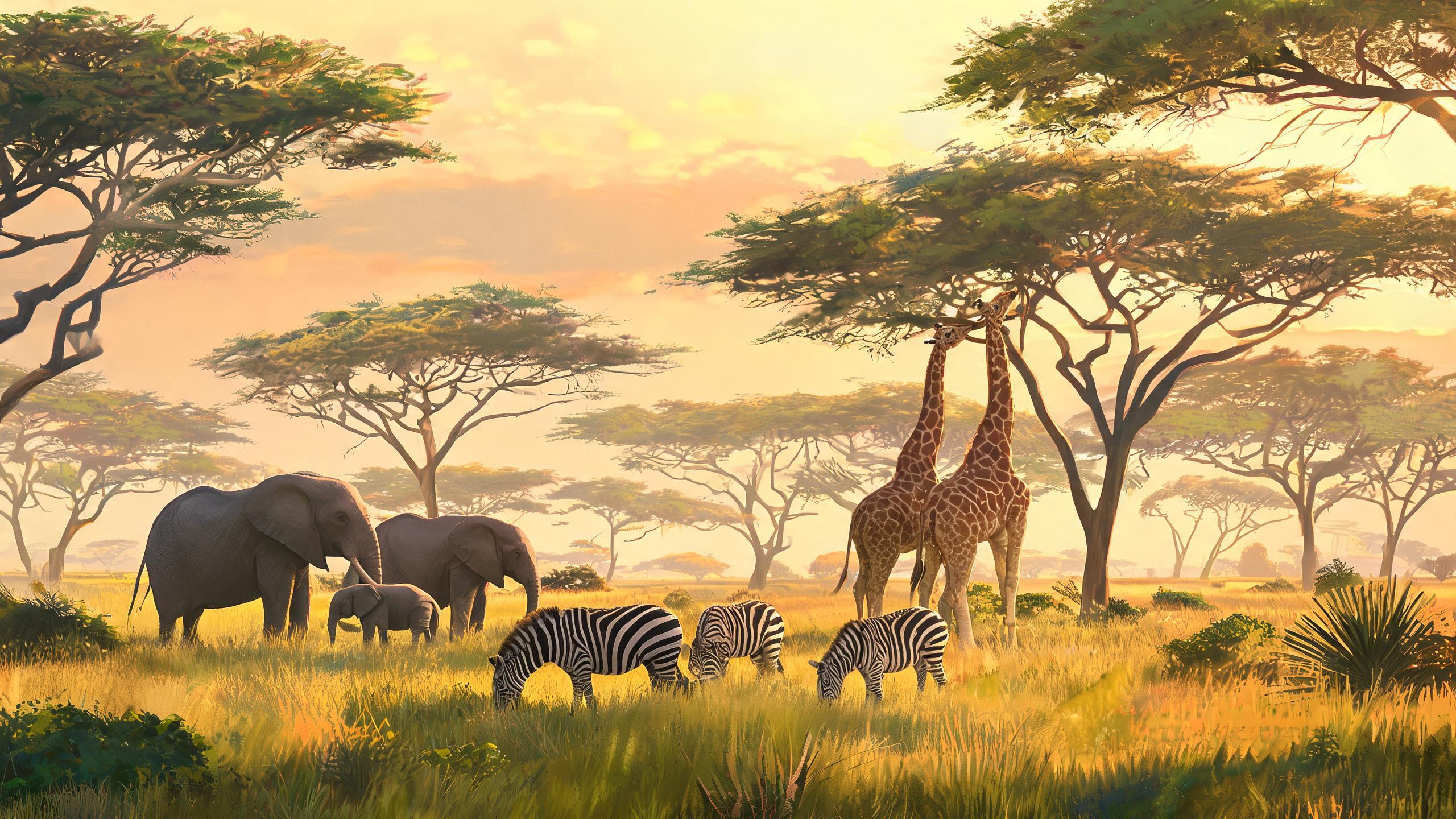
FILES // 03
Files in this archive
Planet Zoo 2 Animal List: All Verified Species
The full Planet Zoo 2 animal list: 136 launch species across habitats, aviaries and aquariums, with verified base-game animals and Deluxe exclusives.
Planet Zoo 2 Best Starter Animals
Planet Zoo 2 best starter animals explained: stretch 300 starting credits with cheap warthogs, buy females first and breed your way to bigger habitats.
Planet Zoo 2 Zoopedia Guide: Entries and Changes
The Planet Zoo 2 Zoopedia explained: what changed since Planet Zoo 1, what every entry covers and how to use it for feeding, breeding and habitat decisions.
Animals are the reason Planet Zoo 2 exists, and Frontier Developments built the sequel around the largest roster the franchise has ever shipped. The game launched on October 13, 2026 with 136 species covering habitat animals, aviary birds, exhibit creatures and a brand-new line-up of fish for the new aquarium system. Species carried over from the original game and its DLC packs mix with fresh additions, so a zoo can hold everything from meerkats and red pandas to shoebills and blacktip reef sharks.
This hub is the map of everything animal-related on the site. Below you will find how the 136 species break down by enclosure type, what the new water layer actually asks of you, and how Wildlife Reserves turn the roster into a conservation loop. When you need names, the animal list has the species tables; when you need data, the Zoopedia guide walks through every entry.
What Animals Are in Planet Zoo 2?
The official answer is simple: 136 animals at launch, with flying birds and fully aquatic species represented for the very first time. Frontier confirmed the count on the official Zoopedia page, which catalogues every species with stats, preferences and fun facts, and the in-game version of that encyclopedia carries the same roster into your zoo. Terrestrial animals also received what Frontier calls a generational leap in how they look and behave, so returning species are not simple ports.
The roster grew in public view before release. Frontier rolled species out through weekly Zoopedia entries, Animal Spotlight posts and feature articles, then closed the campaign with a final reveal of 12 species in early October 2026. That staged approach means third-party lists written before launch can undercount the roster, which is why our animal list page separates officially documented species from the full in-game total.
Two categories are deliberately absent. Official FAQ answers confirm there are no cetaceans at launch, because Frontier wants every represented species to have environments that reflect its needs while research on cetacean conservation and re-wilding continues. Not every species can be released into a Wildlife Reserve either, since only animals with an appropriate reserve habitat qualify.
How the 136 Species Break Down
The roster splits into four practical groups, and each one lives in a different part of your zoo. Habitat animals are the terrestrial stars: mammals such as lions, giraffes, chimpanzees and hippopotamuses roam large outdoor pens shaped by biome, enrichment and social group rules. Birds fill the new aviaries, covered enclosures with roof supports that give flying species the vertical space they need, and the shoebill stands out as the fact sheet's only explicitly named franchise debut.
Exhibit animals are the small species that live in display tanks and cases rather than open pens. Butterflies such as the European Peacock and the Old World Swallowtail head this group alongside insects like the Giant Malaysian Leaf Insect, and smaller cold-blooded species slot in here too. The final group is new: fish and fully aquatic species, from blacktip reef sharks and humphead wrasse down to schooling sardines, built for the aquarium system described below.
A handful of species sit outside the standard roster. The Deluxe Edition adds six exclusives, including the Golden Eagle, the Golden Lion Tamarin and the Great Hammerhead Shark, and our Deluxe Edition page details what else comes in that upgrade. Launch-week coverage also confirmed that fish span two behaviours, with hero fish such as the sand tiger shark swimming solo while schooling species move as groups, a distinction that changes how you stock a tank.
Aquariums: A New World Beneath the Water
Aquariums are the headline addition among enclosure types. They behave like wet enclosures with a filtration pump attached, and they ask you to monitor salinity, temperature and depth rather than the usual land and climbing needs. Get the balance right and hawksbill turtles drift through the water while manatees probe the depths, all visible through glass panels or an underwater viewing tunnel that has quickly become a builder favourite.
The fish roster supports two distinct building styles. Hero fish are the large statement species that do not school, so a sand tiger shark becomes the centrepiece of a big ocean tank. Schooling fish such as Pacific sardines and yellow tang move in groups and can also be kept in exhibit boxes, which lets you run a compact side gallery without building a full aquarium hall. Launch coverage also notes that different species occupy different water levels, with some hugging the surface, some cruising the middle and some resting at the bottom, so a well-stocked tank uses all three layers.
Aviaries and Exhibit Animals
Aviaries give the bird roster something the franchise never offered before: real flight. Fully flying birds were impossible in the original game, and the sequel's covered enclosures now let species use vertical space, perch on suitable surfaces and behave far closer to their real counterparts. Bird welfare follows the same logic as the rest of the game, with social needs, territory and enrichment all drawn from each species' Zoopedia entry.
Cohabitation is deeper this time as well. As you research animals you unlock relationship data showing which species thrive together and which merely tolerate each other, and some birds can even share walk-through aviaries with guests. The Eurasian bittern, a heron species so rare in zoos that only a handful of facilities keep it, became one of the surprise talking points of launch week precisely because systems like this make unusual choices viable.
Wildlife Reserves and Releasing Animals
Wildlife Reserves are the new conservation layer outside your zoo walls. Frontier built six of these sprawling reserves across different continents and biomes, and borrowed the jeep exploration idea from its Jurassic World Evolution games so you can drive through hippos wallowing, flamingos preening and elephant herds crossing open ground, converting photo stops into research points. It is a scenic system first, but it plugs directly into the animal roster.
Release is selective, not universal. Only species with an appropriate reserve can be set free, and coverage so far confirms examples across the map: golden eagles have the wide global range to qualify for many reserves, white-tailed sea-eagles can be released to all three European locations, and species from clown loaches to Sumatran animals can return to the Sumatra reserve. Each Zoopedia entry lists which reserves a species inhabits, so check there before you plan a release program.
Start With Our Animals Subpages
Two pages carry the detail work for this hub. The Planet Zoo 2 animal list is the species database: verified tables of base-game animals, Deluxe exclusives and final reveals, dated and sourced, plus notes on aquatic species and reserve releases. The Planet Zoo 2 Zoopedia guide explains the encyclopedia itself, from the jump to full-page entries to the husbandry numbers hiding inside each one.
Pair them with the rest of the site as your zoo grows. The franchise mode guide covers how breeding, trading and conservation credits feed your economy once the animals are settled in. Bookmark this hub, because every new animal page we publish links back here first.
Verified sources
CROSS-LINK
Other hubs
Planet Zoo 2 Guide
Planet Zoo 2 guide hub: Franchise mode from your first zoo to Tier 5 accreditation, plus beginner tips for habitats, money and trading. Updated 20 October 2026.
Planet Zoo 2 Release Info
Planet Zoo 2 release info hub: 13 October 2026 launch date, platform unlock times, Standard and Deluxe prices, and day-one content. Updated 20 October 2026.
Platforms
Planet Zoo 2 platforms explained: PC, PS5, PS5 Pro, Xbox Series X|S, Steam Deck and GeForce NOW cloud support, plus which platforms Frontier has ruled out.
Planet Zoo 2 Price: Editions, Costs & Where to Buy
Planet Zoo 2 price starts at $49.99 / £39.99 / €49.99 for the Standard Edition and $64.99 for Deluxe. Compare editions, pre-order bonuses and where to buy.