Data as of 20 October 2026 (Launch Update 1.0.5). Exhibit, biome and reserve mechanics come from Frontier's official Getting Started guide and player guides, with species details cross-checked against launch-week full-roster showcases.
Planet Zoo 2 splits animal housing across four systems: habitats for your large residents, aviaries for flying birds, aquariums for fully aquatic species, and exhibits — small, self-contained display boxes for the tiniest animals in the game. Outside the zoo walls, Wildlife Reserves are sprawling natural environments where you release captive-bred animals, and the biome you pick when creating a zoo or reserve sets the stage for all of it. This guide walks through each system and how they connect; if you came for progression rewards, our accreditation guide covers how reserves feed star ratings.
What Counts as an Exhibit in Planet Zoo 2?
Frontier's official Getting Started guide describes exhibits as self-contained ecosystems for your smaller residents, home to animals such as frogs, snakes and small fish. Exhibits require power to operate, and in Planet Zoo 2 they are customizable for the first time with the same piece-by-piece building tools used across the rest of the game — the residence may be small, but you can go big on exhibit creativity. Every exhibit piece is now individually placeable, a complete rework of the fixed boxes from the first game.
Each species brings its own spawn points. Butterfly exhibits scatter perching spots across flower petals, railings and nectar feeders, while semi-aquatic species such as the American bullfrog get separate land and water rest points. Pre-made exhibit blueprints, like the yellow anaconda setup, already include the right spawn points for that species:
| Exhibit species | Group | Launch notes |
|---|---|---|
| Monarch, Menelaus Blue Morpho, Sri Lankan Rose and more | Butterflies | Every Planet Zoo 1 butterfly returned |
| American Bullfrog, Fire Salamander, Axolotl | Amphibians | The Axolotl is a Deluxe Edition animal |
| Boa Constrictor, Yellow Anaconda, Gila Monster | Reptiles | Several received visual remasters |
| Giant Forest Scorpion, Mexican Redknee, Goliath Beetle | Arthropods | Beetles are bought in colonies |
| Moon Jelly | Aquatic | Only kept in exhibit cylinders, not full aquariums |
| Clown Loach, Yellow Tang | Small fish | Schooling fish can live in the larger exhibit boxes |
A few limitations are worth knowing at launch. Frogs cannot be housed together, which long-time players find disappointing, and the automatic selling option for exhibit animals did not return — both are candidates for a future update. Not every Planet Zoo 1 exhibit animal came back either, so check the animal list before planning a reptile house around an old favourite.
Habitats, Aviaries and Aquariums: The Full Housing Stack
Habitats remain the core of any zoo: build a complete loop of barriers, add a staff gate, and match the species' requirements for space, terrain, water, shelter, enrichment and food, all listed in the Zoopedia. Flying birds are new this generation, and their aviaries are habitats with a roof — place roof supports around the enclosure, pick a material and click across the top.
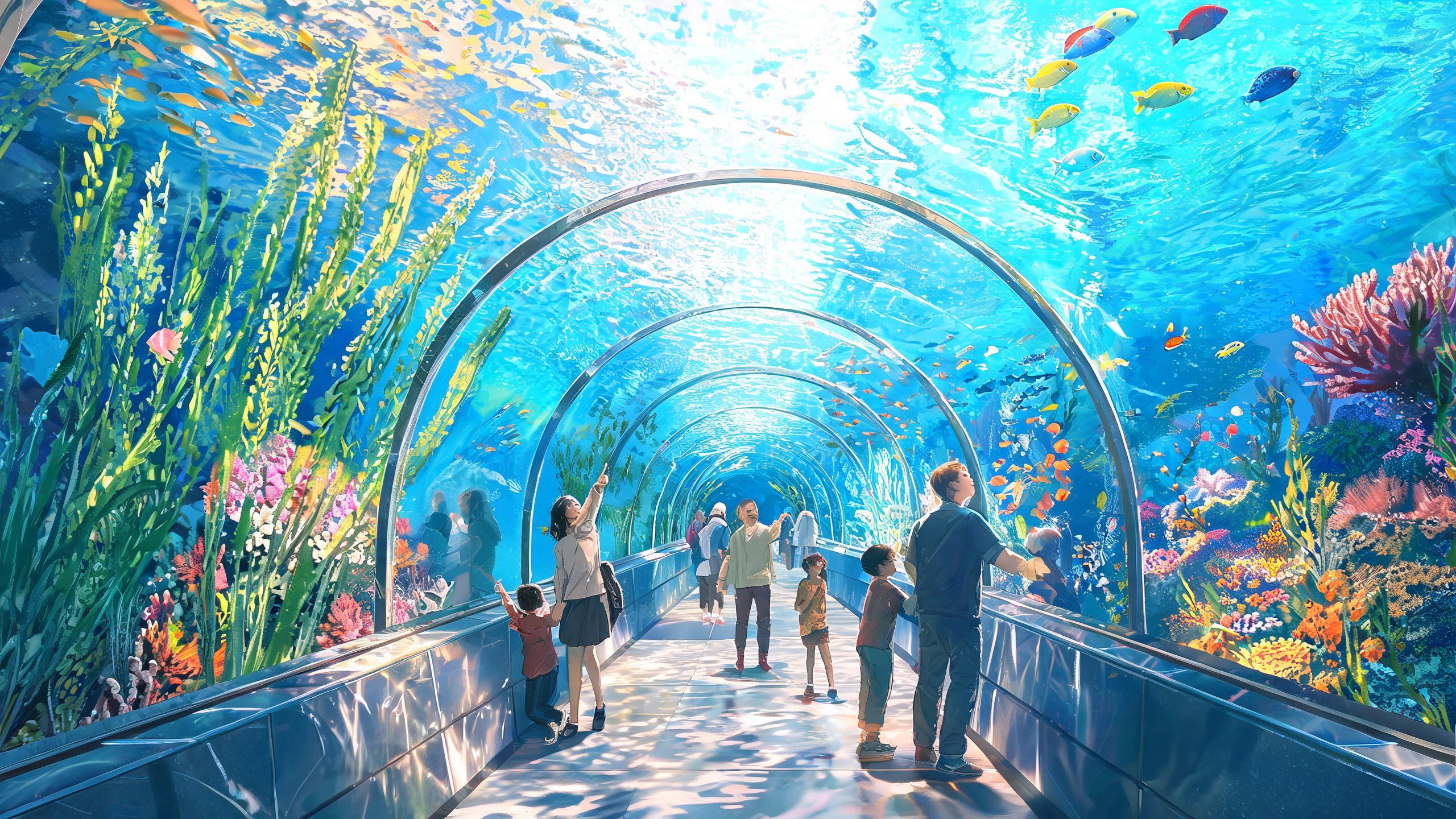
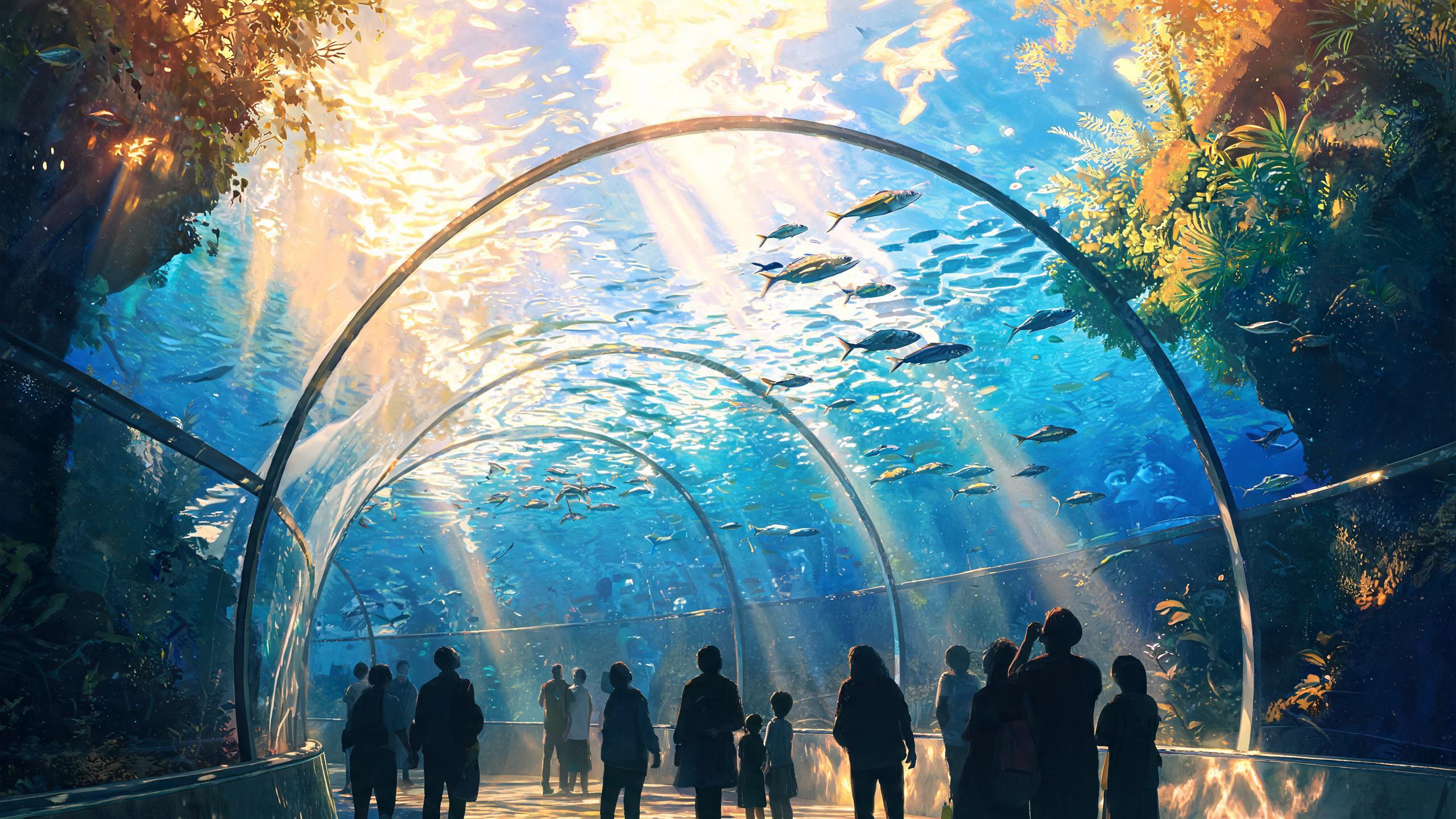
Aquariums work much the same way with their own barrier set, and your existing staff automatically change into diving gear to maintain them. Under the hood you are managing water salinity, temperature and depth, and the new glass tunnel tool lets guests walk through the tank surrounded by aquatic life. A first-person detour through your own tunnel is the sort of touch that justifies the whole system.
Choosing a Biome for Your Zoo
Every new zoo or reserve starts with three choices: biome type, continent and terrain. Biomes span temperate, tropical, grassland, desert, taiga and tundra, and the biome-plus-continent combination generates your map — the same biome in a different continent can produce a different landscape, and each map comes in flat or sculpted versions.
The choice matters less for survival than newcomers expect, but it shapes building. Terrain tools then let you reshape everything: sculpting, stamps, and paint brushes for grass, soil, sand, rock, snow and waterlogged ground. Snow only sticks where it is cold enough, so a Cooler keeps things frosty in a hot biome while a Heater melts it in a cold one — handy for mixed-species parks. Seasons add visual variety on top, from snow-dusted parks to autumn colour.
Wildlife Reserves Explained
Wildlife Reserves are Planet Zoo 2's headline addition: sprawling natural environments where your animals can roam, grow and thrive. Unlike a habitat, a reserve is managed at ecosystem level — you shape environments with the ecosystem brush alongside familiar tools like the nature brush and terrain painting, then transfer release groups from your zoos into the reserve.
Reserves generate Biodiversity stars, one of the two ratings that drive Accreditation, and releasing animals earns Conservation Credits — the currency for adopting new species. Launch coverage counts six reserves across the globe:
| Region | Reserves | Release notes |
|---|---|---|
| Europe | 3, including the Poland reserve | Heavy species crossover across all three |
| Africa | Tanzania and Great Rift Valley | Many African species qualify for both |
| Asia | Sumatra | Tropical Asian species such as the Great Hornbill release here |
Only species with an appropriate reserve can be released — Frontier's FAQ is explicit that each reserve is carefully chosen to match a mix of the animal roster, and some species have no valid reserve at all. The Javan Green Magpie, for example, cannot be released anywhere, while wide-ranging birds like the Golden Eagle qualify for many reserves.
How to Release Animals Into a Reserve
The official release loop has four steps:
- Establish a research outpost in the reserve — no animals can be released before it exists.
- Put together a release group in your zoo. Group requirements differ by species, so check them before committing animals.
- Build an ecosystem capable of supporting them, using the ecosystem brush with terrain painting and the nature brush.
- Release the group. Ecosystems then improve from Established toward Flourishing as the right species fill their Ecosystem Roles.
Once animals are out, you can build research networks to observe them, or explore the reserve on foot or by vehicle. As your Ecosystem Rating and Research Rating flourish, the reserve's overall Biodiversity rating climbs — and with it, your Accreditation prospects.
Why Reserves Matter for Your Franchise
Reserves are not a side mode; they are half of Franchise progression. Each reserve that reaches three Biodiversity stars counts toward the next Accreditation tier, and the efficient route runs through the three European reserves because one breeding programme can supply all of them. Releasing animals — whether through full release groups or quick release — also generates Conservation Credits, as does contributing to Community Challenges.
Release groups come from animals bred in your zoos, so a healthy breeding programme is the fuel; our best starter animals guide covers early species worth building around. The full tier-by-tier requirements, including the two-zoo, three-reserve path to Tier 5, live in the Franchise mode guide.